

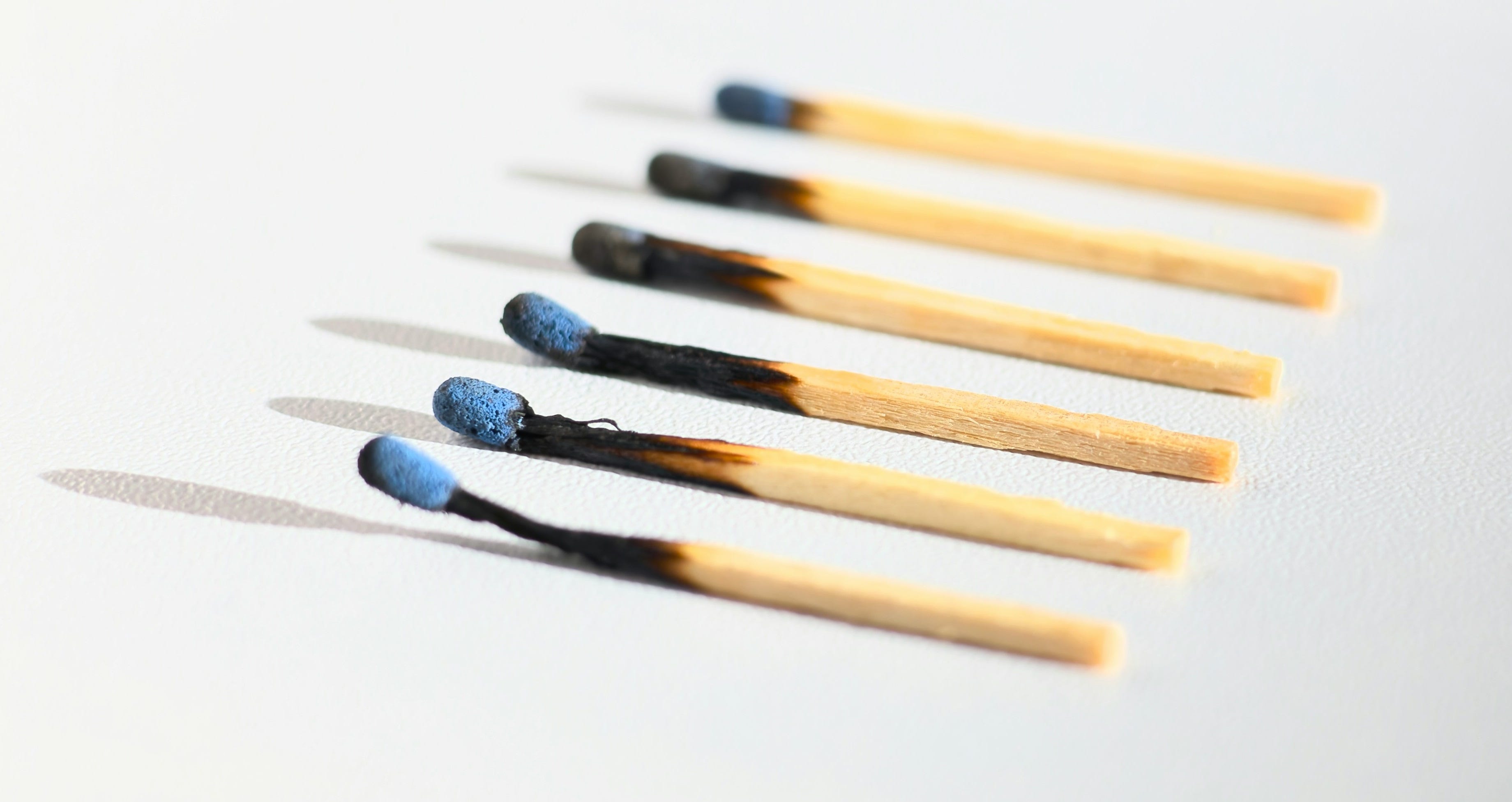
I’ve been doing some freelance work unrelated to the Gender Wars, and slightly randomly it’s involved my learning more about the phenomenon known as burnout. It inspired some reflections about my former life as a foreign correspondent, and — since everything is about gender, in the end — about how burnout plays out in this fight and how combatants can protect themselves.
The first thing I found out is that I had a lot of misconceptions about burnout. I had thought it simply meant you had worked so hard and so unhealthily you collapsed — which is sort-of true, in that overwork and unhealthy working habits are a major part of it, but also not true because there are plenty of types of overwork and unhealthy working habits that don’t put you at risk of burnout, for all that they still cause severe physical and mental harm. Conversely, your workload may not be anything out of the ordinary, objectively speaking, but you can still be at risk of burnout.
The term was formally defined seven years ago by the World Health Organisation as “an occupational syndrome resulting from chronic workplace stress that has not been successfully managed”. It has three elements: emotional exhaustion, impaired performance and what is sometimes called “depersonalisation” — a sense of distance, unreality, detachment and cynicism. A fourth element, feelings of guilt and self-blame, is so standard that some argue it should also be included in the definition.
This conceptualises burnout as solely about work. That was intentional: the WHO wanted employers to be responsible for prevention and mitigation. But the same phenomenon can happen in other situations, for example if someone is under extreme, unrelenting pressure as an unpaid carer. So I’m going to ignore the workplace part of the definition: I don’t approve of altering the definition of a phenomenon in this instrumental way.
In brief, the path to burnout starts with something that at first glance seems counterintuitive: a honeymoon phase. During this period people feel full of energy. They’re creative and enthusiastic and throw themselves into their work.
That’s great, of course, and plenty of people are like this without being on course to burn out. The issue is when people don’t pace themselves, establish healthy patterns of working or protect their downtime. Work bleeds into everything and boundaries become blurred.
When people become too tired to keep going at this extreme pitch, their performance and enthusiasm start to fade. Then they have to try harder for the same outcome. They may start to eat or drink too much, and exercise and sleep too little, in an attempt not to fall behind. They’re now really overworking because their effectiveness has diminished.
Unless they course-correct, this may progress to feeling constantly stressed, further deterioration in performance and outbursts of crying or rage. Even at this point, a sufferer typically doesn’t realise what is happening: the path to burnout is characterised by denial. Often, it’s obvious to other people what is happening long before it is to the sufferer.
The final phases of burnout are characterised by chronic energy depletion and seriously impaired work performance. People start to feel apathetic and detached. Eventually working becomes impossible. By this point sufferers are likely to be clinically depressed and to have to stop working entirely. Recovery may require expert help.
